PAWS is not some cute AA acronym that stands for something like Please Act Wisely Sober; PAWS is actually a diagnostic term for a set of symptoms called Post Acute Withdrawal Syndrome that can occur for a long time after you put down the alcohol or other addictive drugs. Research has suggested that up to 95% of recovering alcoholics and addicts when tested show the presence of brain dysfunction.
Essentially, that is PAWS – symptoms from a dysfunction in the nervous system after quitting booze and drugs. Not to be confused with Wet Brain Syndrome, PAWS is a temporary condition. Do not panic, this too shall pass! However, you can take positive action to help get through it faster and with more ease!
Symptoms of PAWS
When you first detox off alcohol and/or drugs, acute withdrawal is experienced. After a week or two of continuous abstinence from alcohol and drugs, Post Acute Withdrawal Syndrome may be experienced and can last for 3 months to 2 years into sobriety. For most people, PAWS is regenerative - meaning over time and with proper care the symptoms will diminish and damage can be repaired.
Symptoms of PAWS can include difficulty solving simple problems, reacting either overemotionally or having emotional numbness, sleep disturbances, memory problems, inability to think clearly at times, difficulty managing stress, and sometimes problems with physical coordination may present as well.
The cognitive symptoms can lead to diminished self-esteem as well. Note, not all of these symptoms may occur and each does not happen constantly but rather periodically. The severity and length of occurrence of PAWS varies individually; it does not look the same for everyone.
What Causes PAWS
Damage to nervous system from the alcohol and/or drugs causes the physiological nature of PAWS, in combination with the other component of PAWS which is the emotional stress of having to deal with life without the old coping mechanism of drugs or alcohol. How much brain dysfunction your addiction has caused + how much psychosocial stress you experience in sobriety = the severity of PAWS. With proper care, it can be reversed.
Taking Action Against PAWS
“… and courage to change the things I can.” This is one of those things you can take positive action to help get through it more rapidly and in a healthier manner. PAWS causes symptoms that are not particularly conducive to your sobriety. In fact, recent research supports the belief that PAWS can contribute to incidents of relapse.
As part of a relapse prevention strategy, it is important to address the physical aspects of your alcoholism which includes taking proactive steps to treat PAWS. Your first couple years sober are difficult enough without the added challenges of PAWS symptoms like sleep disturbances and trouble thinking clearly.
Education is always a good start (Education leads to proper Action which leads to Results!). Getting a better understanding about PAWS can ease some of the anxiety and confusion, and help prevent self-esteem problems that can result in the absence of such awareness.
Next, find healthy ways to manage your stress. Stress can be caused by PAWS and also stress exacerbates the symptoms of PAWS so stress management is key. Working the 12 steps with a sponsor is not only the best method for relapse prevention in general, but also a great component to stress management. Meditation is highly recommended. Find what works for you, it can be as simple as setting time for deep breathing daily. Specific nutritional recommendations can really give you the edge on managing stress as well.
Last but not least, get educated about ways to improve your physical health most specifically in terms of your nervous system. If you do just one thing physically to support your nervous system, supplement with a high quality B vitamin Complex. Bill Wilson, A.A. founder, was a big proponent of supplementing with B vitamins to support recovery!
You are not powerless against PAWS. Post Acute Withdrawal Syndrome can be treated by applying the recommended actions listed above, and you can enjoy a long healthier life sober!
Sharing insights, research, and holistic resources to enhance physical, mental and spiritual health in recovery.
Showing posts with label stress. Show all posts
Monday, May 24, 2010
Wednesday, February 10, 2010
Best Natural Methods to Quit Smoking in Recovery
Looking for the best natural methods to quit smoking in recovery? When trying to kick nicotine and the other 4,000 chemicals in cigarettes, chances are you probably don’t want to use a method that continues to add chemicals to your body. Recovering alcoholics and addicts especially are less likely to want to use drugs to try to kick another drug habit. Most have tried to quit smoking in the past, and typically 2 or 3 unsuccessful attempts precede the final victory. Maybe the conventional methods have failed you in the past (i.e. nicotine gum, patches or meds), or perhaps you just prefer to go the natural route anyhow. Many smokers look to methods from natural medicine when ready to really quit for good.
Secrets to Success in Quitting Smoking: Natural Therapies
Physically… Acupuncture is a commonly recommended natural modality for smoking cessation support. Certified acupuncturists can administer a specific protocol of treatments on certain points of the body, geared to minimize the cravings during withdrawal. Typically the practitioner will suggest one or two sessions a week during this stressful period. You can search for an acupuncturist near you. Don't like needles? Try Emotional Freedom Technique- EFT is like emotional acupressure for self-care. You can work with an advanced certified practitioner and even work by phone or Skype.
Mentally… Chances are you have tried to quit smoking in the past, so doubt and negative thinking may sabotage your efforts this time around. You can give yourself the mental edge with some hypnotherapy. You can of course seek out a certified hypnotherapist, or for a more affordable option try downloading an audio program to listen to daily and every night before you go to sleep. Hypnotherapists have created guided meditations and recorded hypnotherapy for smoking cessation which you can even download as an MP3 for instant gratification. Program your brain with positive thoughts to set yourself up for success and replace the negative obsessive thinking. Click here to check out this great recommended program by an acclaimed hypnotherapist.
Spiritually… Don’t forget you can apply the 12 Steps to nicotine addiction as well! If you are not sure how, visit http://www.nicotine-anonymous.org/
Secrets to Success in Quitting Smoking: Natural Supplements
What do people report as the main reasons behind their fear of quitting smoking in recovery? They typically relate it to their perception that cigarettes reduce "negative affect," (referring to depression, anxiety or irritability), and that these underlying conditions may trigger a relapse, in the absence of the perceived calming effect of cigarettes. So the real issue seems to be what sobriety is all about anyhow- learning to cope with emotional stressors with healthy tools rather than picking up any drug, including a cigarette. But the stress of quitting smoking itself on top of the other potential daily stressors does indeed have physical and emotional ramifications. Natural supplements offer a safe helpful solution, especially for those who prefer not to add pharmaceuticals to their sober regimen.
Physical withdrawal causes stress in the body, and obviously the normal daily stressors that trigger the urge to pick up a cigarette may feel exacerbated during withdrawal. Stress affects the adrenal glands (our fight and flight guys!). Most recovering alcoholics have beaten up their adrenal glands pretty well over the course of their drinking days- and even with stress that continues into sobriety. Smoking hasn’t helped the adrenals either! The best herbal support to recommend given all these factors is one which supports the adrenal glands and your body’s ability to cope with stress. Check out Bliss anti-stress formula, which contains a great blend of adaptogenic herbs- they help your body adapt to stress naturally, help stabilize your mood and decrease feelings of anxiety. That’s key especially during this critical period while trying to kick the nicotine habit, when stress seems to be your greatest enemy mentally, and physically. Click here to read about the benefits, ingredients and science behind Bliss to see if it is right for you (you can print out the info there if you want to check with your doctor first).
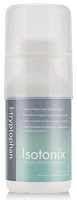
The other supplement to consider for increasing your chances for success in quitting smoking is L-trytophan, an essential amino acid which is the precursor to serotonin production. Serotonin is the “feel good” neurotransmitter. According to WebMD, taking L-tryptophan seems to improve the effectiveness of conventional smoking cessation treatment. L-tryptophan naturally improves mood, and supports healthy sleep, both of which are particularly important when trying to quit smoking. And another researched benefit is that L-tryptophan can “help promote healthy reactions in daily and stressful situations”!
The body cannot produce this essential amino acid so it must be obtained through diet and supplementation. It is best utilized in an isotonic-capable form which also contains niacin and B6 to assure its proper absorption. Click here to learn more about or order the best L-tryptophan supplement available.
Secrets to Success in Quitting Smoking: Eating Correctly
The final natural method that you may not be aware of is a certain eating plan to support your efforts. Another common deterrent to attempting to quit smoking is the feared weight gain. It is true that people sometimes gain 5 or even 10 lbs when they quit. However if you are armed with the correct knowledge to eat the right way, this can be avoided. The best way to avoid gaining weight is to eat a low-glycemic meal or snack every few hours. This will not only naturally help keep you from storing excess fat, it will also help curb cravings and balance your blood sugar levels- which were negatively affected by smoking. Nicotine affects blood sugar, so it affects your metabolism. To help restore a healthy metabolism, learn to use a low glycemic plan to balance your blood sugar. This is the healthiest way to eat in general anyway! Get this great health guide and journal for all the info you need to support your healthy lifestyle change. That will complete your comprehensive plan to finally quit smoking, using the best natural methods to give you the healthy edge to ensure your long term success.
Labels:
acupuncture,
addiction,
alcoholism,
blood sugar,
cigarettes,
glycemic,
health,
hypnosis,
l-tryptophan,
natural methods,
nicotine,
quit smoking,
recovering alcoholic,
recovery,
stress,
supplements
Subscribe to:
Posts (Atom)